

If you missed the first 3 Parts, go back to read there:
![The Personal Moat of STEVE JOBS [Part 1 of 5]](https://substackcdn.com/image/fetch/$s_!Fsuc!,w_140,h_140,c_fill,f_webp,q_auto:good,fl_progressive:steep,g_auto/https%3A%2F%2Fsubstack-post-media.s3.amazonaws.com%2Fpublic%2Fimages%2F2cca8ef4-2077-4445-934d-001f8fe37aa2_1248x768.jpeg)
All of us have our own versions — differentiated — of these aspects of our Career and Business traits below.
If you’re ready to learn more about your own unique Personal Moat or about Human Design and how it can help your career, team, or business, feel free to reach out. I’m doing free consults focusing on those who, like me, are in tech. No pitch, just conversation if you feel like taking the next step.
Main Public Role
Theres two parts that come together here to form the someone’s Public Role. The Public Role is about the following when it comes to any career but we’ll explore Jobs’ in further sections below:
It plays as one’s “Professional “Costume”: Think of it as the energetic costume you wear in public. It dictates exactly how colleagues, clients, and the broader market perceive you, as well as the inherent expectations they place on you.
There are two characteristics in his “Costume”: One aspect is conscious and you recognize it in yourself. The other hand is unconscious and it’s typically something you’re not entirely aware of but others that you work with are more likely to recognize in you.
Mechanisms of Interaction: It defines your natural style of engaging with the world to achieve material success.
Flow and Alignment: When you stop resisting your Public Role and allow it to function more in flow, you naturally attract the correct recognition. You don’t have to force your professional identity.
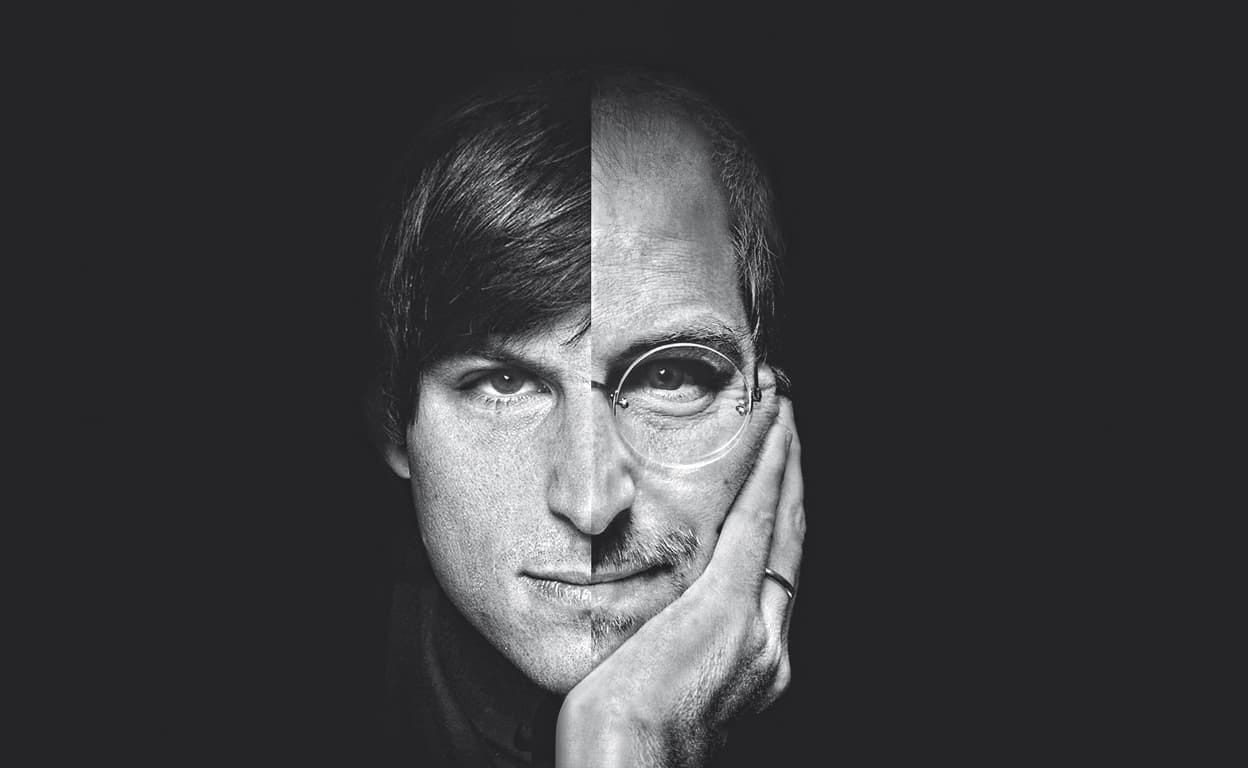
Now let’s unpack what is Steve Jobs’ Public Role.
Unconscious Role: Experimenter (Born of trial and fire)
Quite unconsciously Jobs learned through trial and error. This is someone who will have to learn experientially and experimentally — typically with their own hands. They learn from mistakes. It also means they pick themselves up and try and try again.

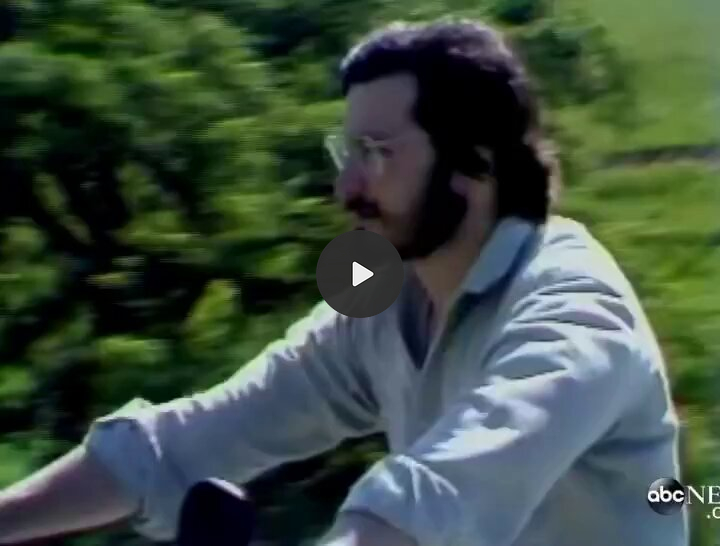
I find this aspect sometimes hard to tease out. We all do things we’ve never done before and then try again. So being an experimenter itself might seem as though we all have this trait. One way to tease out such a difference is that the act of doing versus just thinking. If taken to the extreme, we see someone that experiments is that one that uses one literal hands. And Jobs’ was very much like that. In fact there is another interview of him where he explains the importance of thinking and doing:
“The doers are the major thinkers. The people that really create the things that change this [tech] industry are both the thinker-doer in one person.
Did Leonardo [DaVinci] have a guy off to the side that was thinking five years into the future aobut what he would paint or technology he would use to paint it? Of course not, Leonardo was the artist, but he also mixed his own paints, He also was a fairly good chemist. Knew about pigments. Know about human anatomy. And combining all of those skills together — the art and the science, the thinking and the doing — is what results in the exceptional result… There is no difference in our industry. Th people that have really made contributions have been the thinkers and the doers.”
Conscious: Role Model (in 3 distinct phases)
His Public Role that comes in thirds, one before 30 which is very much a trial and error, between 30-50 he retreats and then finally in the phase where 50+ where he’s taken those lessons and becomes a role model.
Operates with an inherent need for objectivity, trust, and a broad perspective.
Functions best when they can step back from the day-to-day grind to oversee the big picture, seeing exactly how all the moving pieces of a business or project fit together.
Their leadership style is not authoritative by force or deep academic study, but rather driven by the natural respect they garner from having “been in the trenches” and survived.
It’s interesting to note that his Stanford Commencement Speech — which is still something watched and inspiring to many — was given a few months after he turned 50!
But let’s see if we explore those 3 distinct eras and how Jobs was different in those parts of his stages in his careers.
Phase One: Before 30
In order to be a role model, it’s about embracing the chaos and confusion and wonderment of the early years. It’s important as a learning process and comes with it the essential discovery that builds up the catapult to reach it’s next phase.
The Clip: The 1984 Macintosh Introduction.
The Context: At 29 years old, Jobs is deeply immersed in his chaotic, trial-and-error 3rd-line phase. The presentation is intense, highly subjective, and aggressively competitive (specifically taking aim at IBM). It captures his relentless drive to physically push boundaries and disrupt the market, just a year before his experimentation clashed with corporate structure, leading to his ousting from Apple.
Phase Two: Ages 30 to 50
They pull back from the chaos to become objective observers. In business, this is when they begin to synthesize their early failures into valuable, marketable wisdom and take on higher-level oversight or advisory roles.
The Clip: The 1997 WWDC “Fireside Chat” Q&A.
The Context: At 42, returning to a failing Apple, Jobs demonstrates the classic “on the roof” transition. He sits calmly on a stool, fielding hostile questions from developers with objective detachment. Rather than getting into the trenches of every technical flaw, he oversees the big picture, famously explaining that true focus means saying “no” to a hundred good ideas to salvage the company’s foundation.
Phase Three: 50+
They step off the roof to become the true, lived Role Model. They lead purely by example, combining their profound experiential knowledge with objective authority to guide teams and organizations.
The Clip: We saved the best for last: the 2007 Original iPhone Keynote.
The Context: At 51, Jobs steps off the roof into his final Role Model phase. He commands the stage with absolute, lived authority, presenting not just a product, but a complete paradigm shift. He leverages his decades of experiential wisdom (combining hardware, software, and design) to lead the entire tech industry by example, requiring no aggressive defense of his vision because his mastery speaks for itself.
If you’re ready to learn more about your own unique Personal Moat or about Human Design and how it can help your career, team, or business, feel free to reach out. I’m doing free consults focusing on those who, like me, are in tech. No pitch, just conversation if you feel like taking the next step.
This is part of The Personal Moat series. Here’s Part 5 of 5 which is on Steve Jobs’ Work Theme: